People Shape. Technology Builds.
Every game starts with an idea. From there, it takes shape through experimentation, iteration and countless decisions along the way. Each element is refined until it feels right.
Backstage
In our day-to-day work, we use a broad range of tools, from game engines and development environments to 2D/3D art and animation tools and AI-powered solutions. We choose them based on where we are in the process, using them to explore ideas, test variations and iterate quickly.
In graphics, we use AI mainly during the concept and exploration stages. For music, sound and promotional materials, it helps us create and curate ideas and assets.
Technology expands our toolkit and helps us move from idea to execution faster. The final shape is always defined by the team.
People carry the vision.
AI tools carry repetitive load.



People
vision and authorship
 Concept & iteration
 Narrative & tone
 Shipped art
 Voiceover
 Music
Music Press kit
Every decision has its place in the game-making process.
Direction, design, art, narrative and tone all shape the game itself. Every asset is designed, developed and refined to fit the established creative direction and work as part of the overall experience. From the first sketch to the final version, we focus on detail, consistency and quality. This way, authorship goes beyond the original idea and remains visible in every element that makes it into the game.
The Creative Process
This is how ideas take shape01
Vision
People
Sets the direction for the game.
AI tools
—
02
Concept
People
Artists frame the look
AI tools
Explore ideas
03
Iteration
People
Writers keep the story consistent.
AI tools
Variations
04
Polish
People
Final Asset Creation
AI tools
—
05
Publishing
People
Final Review and Approval
AI tools
—
Layers
Teamwork
AI tools

Direction & design
100%
People
0%
AI
The author sets the vision; we shape the design around it
No AI involvement

Narrative & tone
100%
People
0%
AI
The creator defines the character; we develop the story from there
No AI involvement

Final Visuals
88%
People
12%
AI
We create the final artwork and refine every detail for the game
Exploring and Testing Variations

Music
70%
People
30%
AI
We develop the music to fit the game’s world
Helps us explore ideas

Voiceover
68%
People
32%
AI
We select and refine according to the game’s character
Supports the concept and iteration stages

Press kit
56%
People
44%
AI
We build the story around the game
Supports the production of selected materials
Teamwork
authorshipAI tools
AssistanceDirection & design
100%
People
0%
AI
The author sets the vision; we shape the design around it
No AI involvement
Narrative & tone
100%
People
0%
AI
The creator defines the character; we develop the story from there
No AI involvement
Final Visuals
88%
People
12%
AI
We create the final artwork and refine every detail for the game
Exploring and Testing Variations
Music
70%
People
30%
AI
We develop the music to fit the game’s world
Helps us explore ideas
Voiceover
68%
People
32%
AI
We select and refine according to the game’s character
Supports the concept and iteration stages
Press kit
56%
People
44%
AI
We build the story around the game
Supports the production of selected materials
A game is the result of countless decisions. See how they come together.
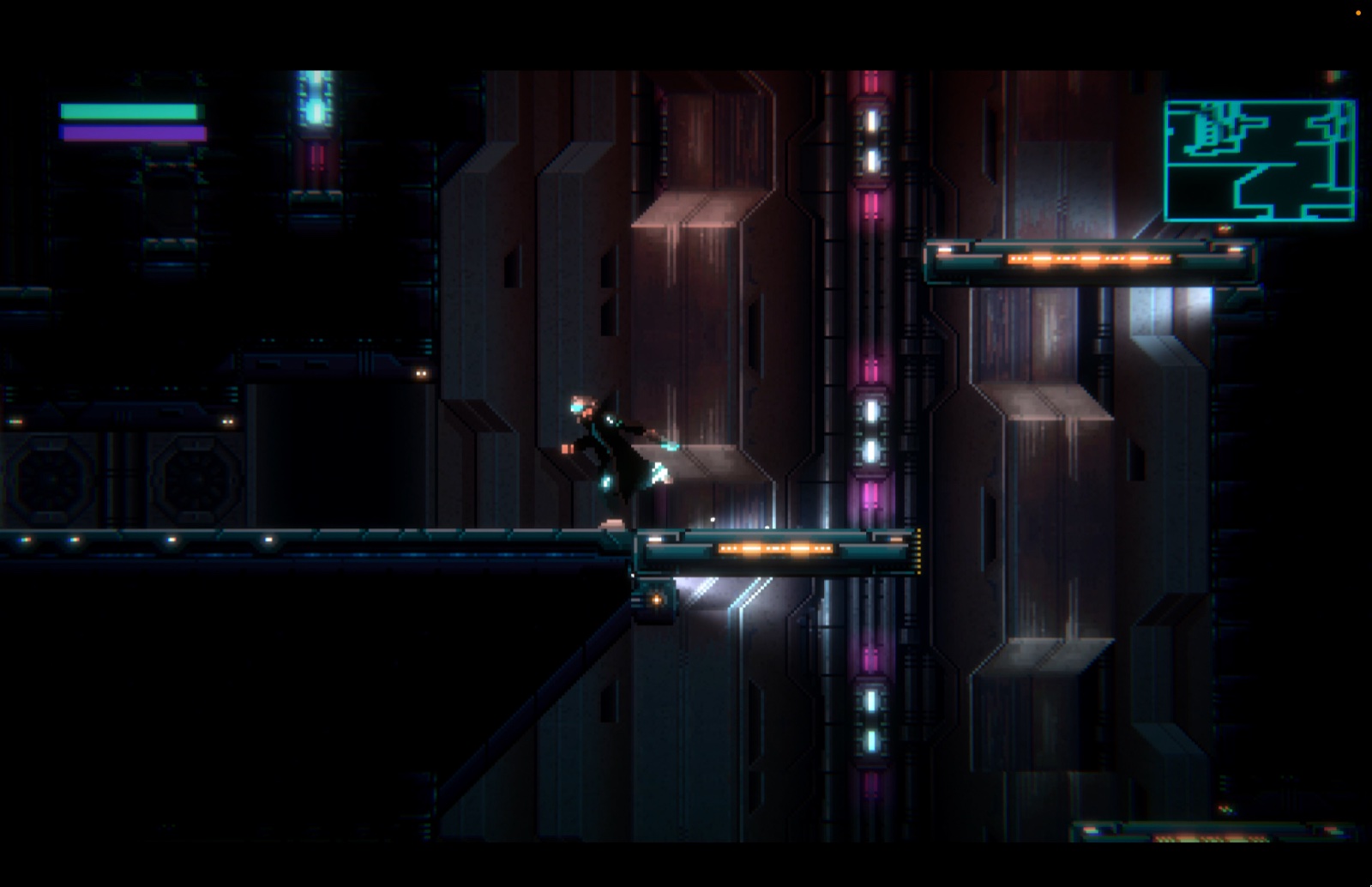
We show how the process really works, grounded in actual production. We share how we work on our projects, the decisions we make, where technology comes into play, and how individual elements come together to form the final game. We tested this approach while creating Dither Paradox, not as a presentation example, but in real production.
If it stays hidden
The tools quietlytake control
Authorshipblurs
Nobody can saywho decided
result
The game starts to feel like lacking a distinct identity

When we make the process visible
Every layer isdisclosed
Authorship staysvisible
You cancheck us on it
result
An experienced team made it, and you know exactly how